Radon Mitigation for Crawlspaces: What Pennsylvania Homeowners Should Know
If your home has a crawlspace, you might worry less about what is happening under your feet than someone with a full basement. But a crawlspace can still let soil gas enter your living space. Radon is a natural radioactive gas that moves up through the ground and can seep through cracks, joints, and openings in a crawlspace foundation. The only way to know if your crawlspace has a problem is to run a radon test. Testing is simple and inexpensive, and it is the first step any homeowner should take.
When a test shows elevated radon levels, you need a mitigation system designed for a crawlspace. A standard basement system often uses a sub-slab depressurization approach, where a fan pulls soil gas from under a concrete slab. Crawlspaces are different. They may have a dirt floor, a partial vapor barrier, or a low clearance that makes installation tricky. The key is to match the method to the actual construction of the crawlspace. That is where professional judgment comes in.
How Crawlspace Radon Mitigation Works
A crawlspace radon mitigation system usually starts with sealing the crawlspace floor and walls. If the crawlspace has a dirt floor, the first step is to lay down a heavy plastic vapor barrier. The plastic should be thick enough to hold up over time, typically six mil or more. All seams are taped, and the edges are sealed against the foundation walls. This barrier stops soil gas from rising directly into the crawlspace air.
Next, a suction pit is created. A hole is cut through the plastic, or through a concrete floor if there is one, and a small cavity is dug in the soil below. A pipe is placed into that pit, and the pipe runs to a mitigation system fan. The fan creates negative pressure under the vapor barrier or slab, pulling soil gas from beneath the crawlspace and venting it safely outside. This method is called sub-slab depressurization, and it works well for crawlspaces that have a sealed floor.
There is also a simpler option called a passive stack vent. This is a vertical pipe that runs from the crawlspace floor up through the roof. It relies on natural air pressure differences to draw soil gas out. A passive stack vent does not use a fan, so it costs less to install and has no ongoing electricity cost. However, it may not reduce radon levels enough in a home with high radon readings. A post-mitigation test will tell you whether the passive system is working. If it is not, an in-line fan can be added later to turn it into an active system.
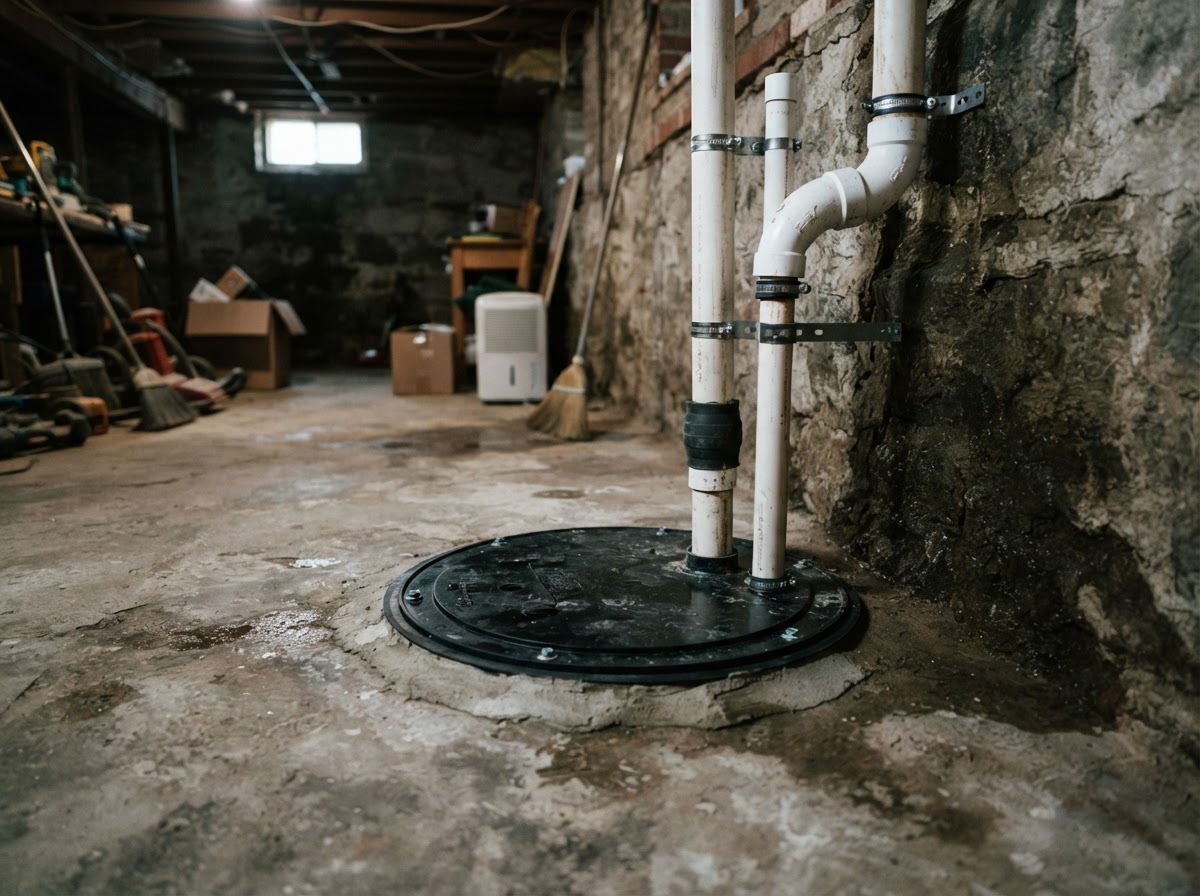
For crawlspaces that are too short to work in, a contractor might install the suction pit and fan from the outside. The pipe runs underground to a fan mounted on an exterior wall or on a post. The important thing is that the crawlspace is depressurized relative to the living space above. That way, any soil gas that does enter the crawlspace stays there and is pulled out by the fan, rather than drifting up into your home.
Common Challenges in Crawlspace Installations
Crawlspace radon mitigation comes with its own set of challenges. Low clearance is the most obvious one. A crawlspace that is only eighteen inches high makes it hard for a person to move around, let alone install piping and seal the floor. In those cases, a contractor may need to work from outside or use flexible piping that can be snaked into tight spots.
Another issue is the presence of water. Some crawlspaces get damp or even collect standing water after heavy rain. A radon mitigation system that uses a suction pit can also draw in water if the pit is not designed correctly. That water can block airflow and damage the fan. A good installer will create a drainage path or use a sump pump to keep the pit dry. They will also seal the vapor barrier to the foundation walls in a way that sheds water rather than trapping it.
Sometimes a crawlspace has a concrete floor that is cracked or poorly poured. In that case, the concrete itself can be a source of radon entry. The fix is to seal cracks and joints with an epoxy sealant before installing the mitigation system. The epoxy sealant bonds to the concrete and stops soil gas from coming through. It is a simple step that makes the whole system more effective.
Finally, there is the question of access. A crawlspace with no exterior door means the contractor has to carry equipment through the house. That takes care and planning, but it can be done. The important thing is to hire someone who has experience with crawlspaces, not just full basements. The technique is similar, but the details matter.
Testing After Mitigation
After any crawlspace radon mitigation system is installed, you need to run a post-mitigation test. This test confirms that the system is actually reducing radon levels. It should be done under normal living conditions, with the fan running and the house closed up as it would be in winter. The test period is usually two to seven days. If the results show radon levels below the EPA action level of 4 picocuries per liter, the system is working. If not, the installer should come back and adjust the system.
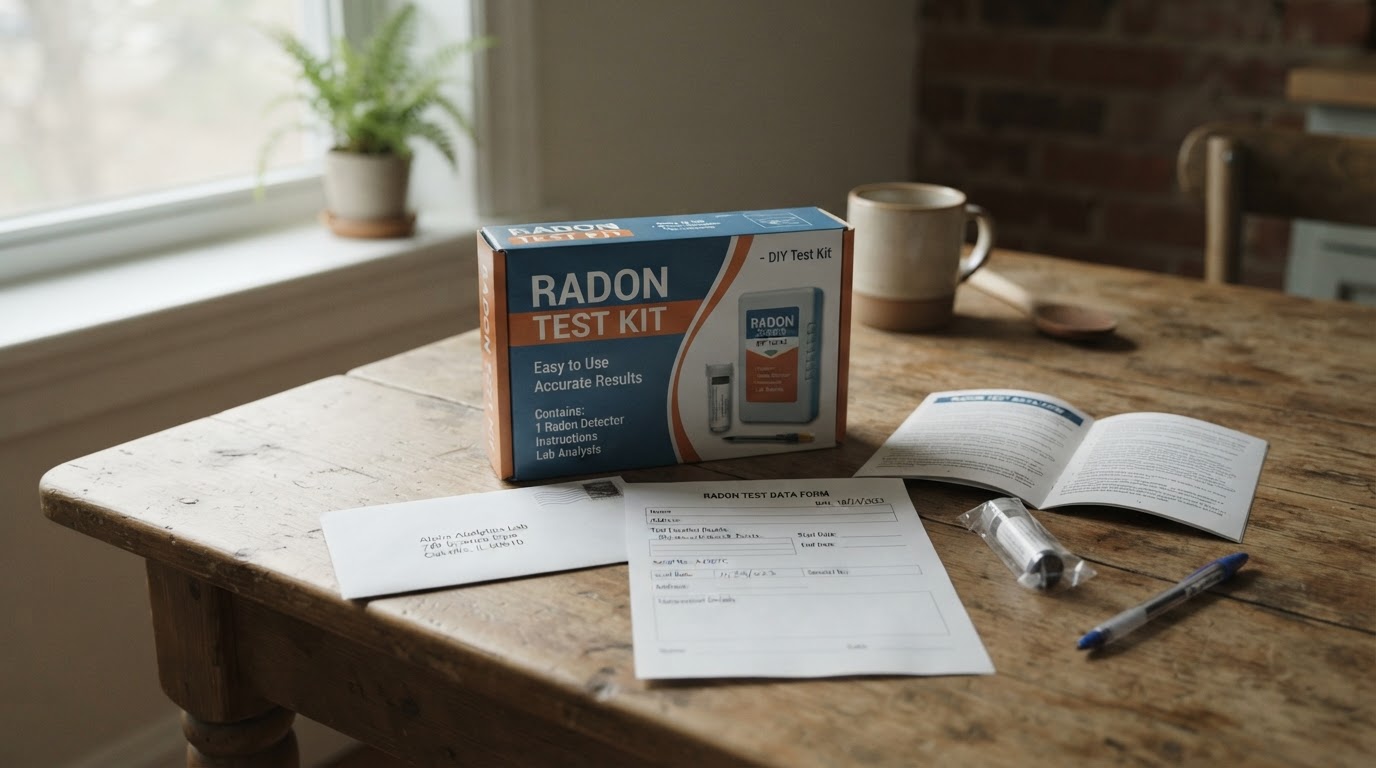
Some homeowners skip the post-mitigation test because they assume the system is working. That is a mistake. A fan can be installed backward, a pipe can be crushed, or the suction pit can fill with water. The test catches those problems. It also gives you a baseline reading for future comparison. If you test again in a few years and see a different number, you will know something has changed.
Maintenance and Long-Term Care
A crawlspace radon mitigation system needs very little maintenance. The fan should run continuously. If it stops, the radon levels can rise back to where they were before. Most fans have a rated life of five to ten years, so you should plan to replace it at some point. Some fans come with a monitor that alerts you if the fan stops. That is a nice feature to look for when choosing a system.
The vapor barrier should be checked every year or two. Look for tears, holes, or places where the tape has come loose. Rodents or insects can damage the plastic. If you find a hole, patch it with a piece of vapor barrier and tape. Also check the pipe connections and the exhaust vent on the outside of the house. Snow, leaves, or bird nests can block the vent and reduce airflow.
If your system uses a passive stack vent, you might consider adding a small fan if your post-mitigation test shows borderline results. A fan turns a passive system into an active one, and the cost is modest compared to installing a whole new system. Some homeowners do this as a matter of course, just to be safe.
Hiring a Professional in York, PA
Radon mitigation is not a do-it-yourself project for most people. The equipment is specialized, and the work involves electrical wiring, roofing, and sometimes excavation. A mistake can leave you with a system that does not work or, worse, one that increases radon levels by drawing more soil gas into the crawlspace. In York County, Pennsylvania, radon levels can be high enough that a failed system is a real health concern.
When you look for a contractor, ask about their experience with crawlspaces specifically. Not every radon mitigator has done a crawlspace installation. Ask if they carry liability insurance and if they will provide a post-mitigation test as part of the job. A good contractor will also explain the system they plan to install and why they chose that method for your crawlspace. They should be able to talk about sub-slab depressurization, passive stack vents, and the trade-offs between them.

It is also worth checking if the contractor is certified by a national radon program, such as the National Radon Proficiency Program or the National Radon Safety Board. Certification means they have passed an exam and follow industry standards. In Pennsylvania, there is no state licensing for radon mitigators, so certification is the best way to know you are hiring someone who knows what they are doing.
Before you sign a contract, ask for a written proposal that describes the work, the materials, and the expected outcome. A reputable contractor will give you that without hesitation. They will also tell you what to expect during the installation and how long it will take. A typical crawlspace radon mitigation job can be done in a day or two, depending on the complexity of the crawlspace.
Wrapping Up
Radon in a crawlspace is a problem you can fix. A radon test tells you if the gas is present. A properly designed crawlspace radon mitigation system removes it. The system needs to be tailored to the crawlspace, which means considering the floor type, the clearance, and the moisture conditions. A professional can handle all of that, from sealing the floor to installing the fan to running the post-mitigation test. Once the system is in place, it runs quietly and requires almost no attention for years. Your home is safer, and you can stop worrying about what is coming up from below.